Information
Landmark: Tartu BridgeCity: Tartu
Country: Estonia
Continent: Europe
Tartu Bridge, Tartu, Estonia, Europe
Overview
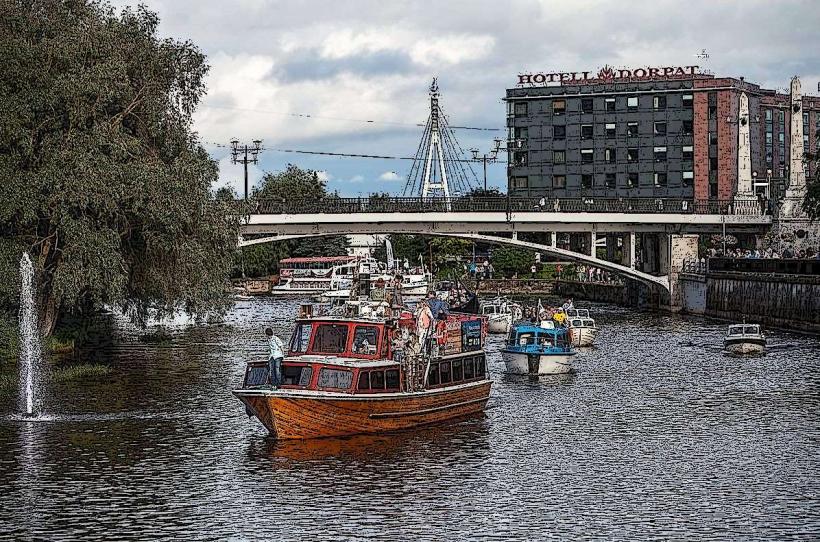
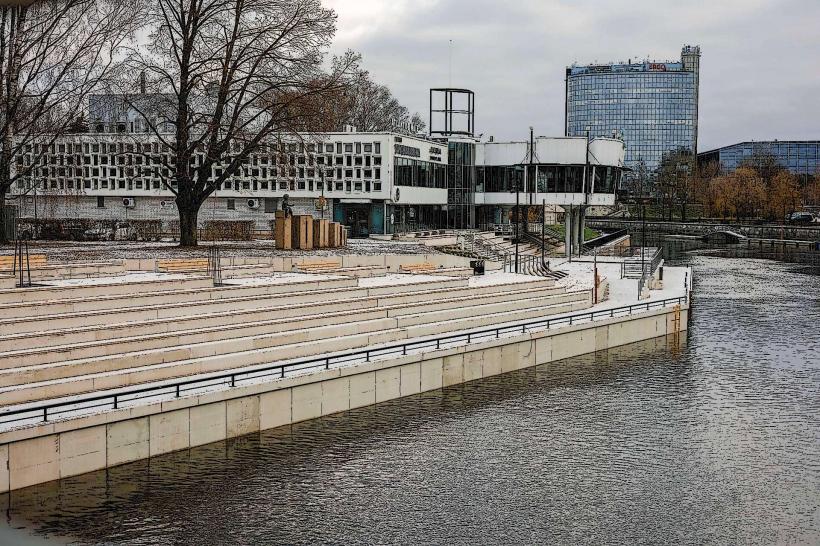
In Tartu, Estonia, the Tartu Bridge (Tartu sild) stretches across the quiet sweep of the Emajõgi River, standing as one of the city’s most essential historical and architectural landmarks, equally important the bridge connects the heart of Tartu to its southern districts, carrying you from the busy city center across the river to the cobbled lanes of the ancient Town and the green slopes of Toomemägi Hill.Over the years, novel bridges have spanned the Emajõgi, each one marking a leap in engineering and mirroring how Tartu’s streets and skyline keep changing, moreover the story of Tartu’s bridges reaches back to medieval days, when wooden spans creaked under carts and footsteps.Believe it or not, For centuries, the Emajõgi River has shaped the city’s life, its gradual green water carrying goods and stories, while bridges linked neighborhoods, markets, and distant towns, on top of that early Bridges: The first span over the Emajõgi in Tartu was probably a wooden one, built in the 14th century, where merchants and townsfolk crossed with carts rattling over the planks.Like most bridges of the Middle Ages, it was a rough, plain structure that needed fixing often, with loose planks shifting underfoot, at the same time by the 19th century, Tartu had blossomed into a lively cultural and academic center, anchored by its growing university, and the town’s aging bridge-creaking under heavier use-clearly needed a sturdier replacement.In 1810, the first stone bridge of modern times spanned the Emajõgi, a solid arch locals called the Stone Bridge, or Kivisild, meanwhile the bridge was built as part of the city’s push to modernize its infrastructure, making room for more people and the steady hum of traffic.As years passed and technology advanced, builders began replacing antique wooden and stone bridges with sleek steel and solid concrete ones, their surfaces gleaming in the sun, subsequently today’s Tartu Bridge rises in solid gray concrete, a clear sign of the city’s steady growth and its push for modern infrastructure.The Tartu Bridge stretches across the Emajõgi River, carrying cars, buses, and cyclists as a vital link in the city’s transport network, equally important it keeps cars moving and people walking with ease, linking busy districts like threads in a well-woven map.The bridge is made of solid concrete, built with a straightforward design that focuses on function-no frills, just clean lines and sturdy form, likewise it doesn’t boast the carved stonework you notice on aged bridges, but it carries the city’s traffic like a steady, unbroken stream.Actually, It’s built to meet today’s transportation needs, from the steady flow of cars on busy streets to the rumble of buses and trains, besides the Tartu Bridge links the bustling city center-home to the University of Tartu and the green slopes of Toomemägi Hill-to the southern districts, making it easy to reach neighborhoods, shops, and campus buildings.Commuters, students, and visitors all rely on this route, from the morning hum of buses to the steady flow of bikes at dusk, not only that like many city bridges, Tartu Bridge has walkways on both sides, so you can stroll across the river and watch the water ripple below-whether you’re a local heading home or a tourist exploring the town.The bridge’s walkways turn it into a lively public spot, where you can pause to watch the Emajõgi shimmer and the trees ripple in the breeze, at the same time the Tartu Bridge isn’t just a way to cross the river-it’s woven into the city’s history and culture, like stone underfoot that’s felt a hundred years of footsteps.You know, It links some of Tartu’s most storied places, from the cobbled lanes of the vintage Town to wind-swept Toomemägi Hill, both woven deep into the city’s identity, subsequently in Tartu, the bridge is a vital link, helping the city grow by moving people and goods swiftly-whether it’s a cyclist gliding across at dawn or trucks rumbling through with fresh produce.This matters a lot to the Tartu University community, since it links the academic buildings on both sides of the river, where you can hear footsteps echo on the bridge in the early morning, along with the bridge makes it easier to reach the city, drawing more shoppers and speeding up the flow of people and goods.For visitors, walking across Tartu Bridge lets you take in the shimmer of the river below and get a clear sense of how the city unfolds around it, along with many walking routes through the city cross the bridge, where you can pause to watch sunlight ripple on the river and take in the row of timeworn stone buildings along the Emajõgi.As Tartu keeps modernizing, people are already talking about modern ways to improve the paths, lighting, and gathering spots along the Emajõgi River, likewise in the future, the city may upgrade the bridge or add novel paths where pedestrians and cyclists can ride past the river’s edge, meeting the rising demand for greener ways to get around busy streets.The city’s also looking to make its public infrastructure more sustainable, which could mean trying out green building methods or adding better transit options-like quieter, electric buses crossing the bridge, what’s more in Tartu, the Tartu Bridge stands as both a lifeline and a landmark, its arches stretching over the river like a quiet promise.It links the city’s cultural, academic, and residential districts, guiding locals, students, and visitors through their daily routines-whether that’s grabbing a coffee, heading to class, or exploring a museum, furthermore modern and practical today, the bridge has slowly transformed over centuries, echoing the city’s journey from narrow cobbled streets of medieval times to its role as a bustling urban hub in Estonia, relatively Shaped by its history, striking design, and the way it links neighborhoods, it stands out as a key part of Tartu’s streetscape and daily life.
Author: Tourist Landmarks
Date: 2025-09-06